Incentive Dynamics in Climate Resilience Systems: Insurance, Public Infrastructure, and Private Adaptation
Led by Yichun Fan (Duke University), Martin Smith (Duke University), and Craig Landry (University of Georgia)
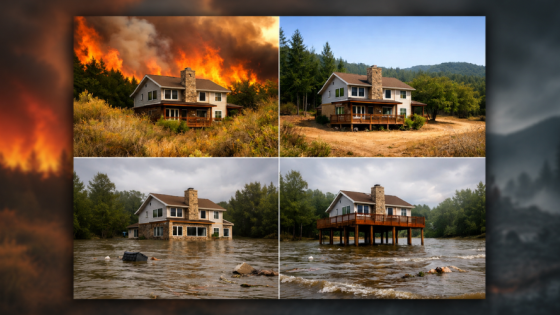
The economic damages from climate disasters depend on both physical hazards, such as storms, flooding, extreme heat, and wildfires, and human behavior, including where people choose to live, private investments in climate proofing homes and public investments such as in flood control and wildfire suppression. Scientists have a working understanding of physical climate risks but know far less about how people respond to these risks. Improving our understanding of private responses to climate risk can inform better insurance products and enhance climate resilience.
A new research project is using AI to analyze hundreds of millions of building permits, tracking where people build and how they fortify their homes against climate hazards, from reinforcing roofs to fireproofing and elevating foundations. CIRCAD researchers will leverage these new data to examine how insurance pricing and public infrastructure affect household decisions and ultimately inform climate resilient planning at the system level.